
Pioneers
I will be discussing the development of stop motion animation and how each one was developed and who it was invented/designed by.

 William Horner was a British mathematician, schoolmaster, headmaster and school keeper! He created the 'drum-like' form of the Zoetrope (it was originally called the Daedalum) It was crafted in 1834 and the name 'Daedalum' meant "The wheel of the devil" (Probably due to the animation of still images). The Zoetrope is very similar to the Phenakistoscope, but uses mirrors and multiple people can view this at once.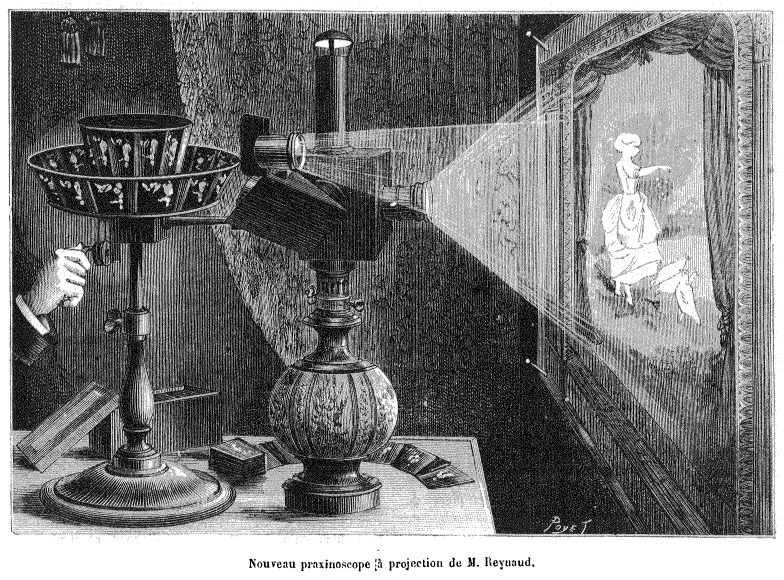
Charles Emile Reynaud was brought into the world on the 8th of December, 1944; He became a teacher by day and and inventor by night (Or when he had the time!) He was the apprentice to a precision engineer and went on to study with a sculptor-photographer. In 1876 he created a toy to amuse young children, he patented it a year later. The Praxinoscope was said to be a modern version of the 'Zoescope'. The device uses a strip of paper showing 12 frames of images placed around the cylinder, and mirrors in the center. The Praxinoscope could also be used by multiple people as you could project the image for lots of people to see.

Eadweard Muybridge, an English photographer, was born in April 1830 and was important for is pioneering work in photographic studies of motion, and early work in motion-picture projection. Muybridge is more commonly know for is work on animal locomotion in 1877 and 1878; He used several cameras to photograph a sequence of events (and animal running) he then ran the pictures quickly through a device and the pictures came to life! The Zoopraxiscope is a very early device, used for displaying motion pictures.
 Ah, the Lumiére brothers. Auguste and Lois were both technically minded people who excelled in science and photography. Auguste was an equipment manufacturer, whilst Luis experimented with this equipment. The brothers aimed to overcome the limitations of the Peephole Kinetoscope that was created by Edison. Aimed to create something the multiple people could view instead of only one person getting the experience of the device. The Cinématographe later popped up after some experimenting by the brothers; this device was smaller than Edison's and was able to show a staggering 16 Frames per second! The small nature of this device meant that it could not reach the high standard of Edison's, but it's a step in the right direction!
George Méliés was born in Paris 1861 and as a child he was keen on the arts, he was particularly interested in puppetry and stage design. Méliés later went on to create the stop trick special effect and he is now considered a pioneer of special effects. The stop trick was accidentally discovered by Méliés when his camera jammed halfway through filming and he lost some footage in the middle. He later reviewed the footage and saw that objects seemed to jump around/move/transformed into other objects, this is now known as the stop trick. We still use the stop trick today and Mélié's stage design has been a huge influence on the world today.
Thaumatropes are a single circular piece of card or paper with an image on either side. once spun at a high speed, the images appear to merge and become one image; this is due to the persistence of vision. Persistence of vision is when your eyes seem to retain an image and you see them played back, but of course we know this isn't the case.
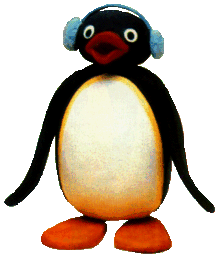 Otmar Gutmann was born on April 24th, 1937 and was a German television producer. He is well known for his creation of Pingu. Pingu is a claymation that first aired in 1986 and Pingu's original name would have been "Hugo" as it originally started out a only a few short episodes before being picked up by Swiss TV and made into the show that we know and love. After Gutmann sadly passed, The Pygos Group collapsed and all of the assets were sold to HiT; They went on to relaunch Pingu and released 52 episodes before stopping abruptly without any announcement.
 The Quay Brothers are American identical twins and widely known as "The Brothers Key". They are very influential stop motion animators and have been praised by many critics for their work. They're passion for paying close attention to texture and small details made their work instantly recognisable. The reviews for their work can be varying depending on the person; some people see it as a confusing piece of work whereas others see the images as beautiful.
 Dreamworks was formed and founded on October 12th, 1994. They are an American film production company which produces and develops animated films, television programming and video games and are currently based in Glendale, CA. Dreamworks tends to work closely with Disney as they handle most of the distribution for Dreamworks' products. Two companies that you'd think were rivals are actually scratching each others' backs. They specialize in Computer Animation.
 Pixar was first known as the 'Graphics Group' as part of Luccasfilm; Soon after, they became their own studio thanks to funding from Steve Jobs. Pixar started off as a hardware company, selling parts to make animations and films and they now specialize in 3D/computer animation. in 2006, Pixar was acquired by Disney and they gave Pixar a three-picture distribution deal - After some trouble with the changes on Toy Story 2, Disney and Pixar had a falling out. After many negotiations, Disney agreed to buy Pixar but was sure to keep Pixar as a separate entity and would not merge with Disney.
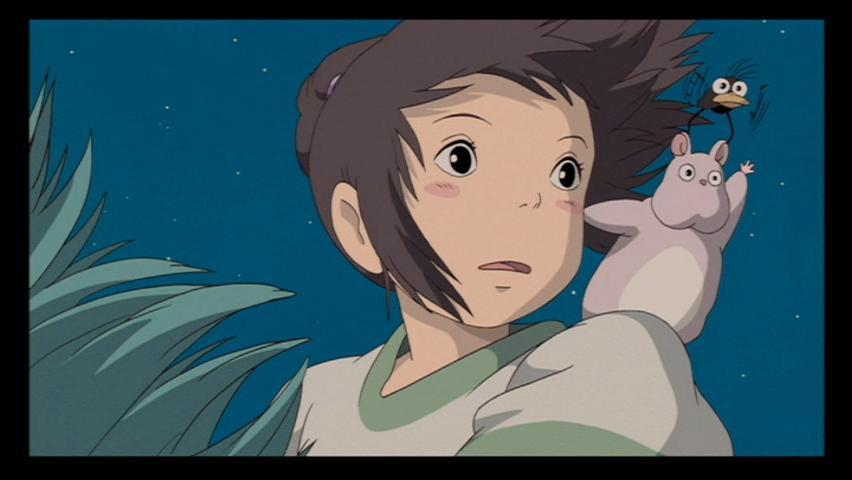 Hayoa Miyazaki was born on January 5th, 1941. Miyazaki is an animator, manga artist, illustrator, producer and screen writer. He joined Toei Animation in 1963 which kicked off his animating career. His first project was "Gullivers Travels beyond the moon" and this was followed by "Lupin 3". After much success, in 1984 he co-founded Studeo Ghibli and continued his venture with animation. Miyazaki has had many influences throughout his journey and most are very well known and have said kind words about him. It's a well known fact that he doesn't like Disney but it's purely down to the fact that he has a problem with the storytelling in their films.
 Walt Disney started his career as an animator in 1923 with Alice's Wonderland, a film which contained a child actress interacting with animated objects and characters. Disney created their mascot "Mickey" in 1928 and in 1934 they produced their first feature film, Snow White. The hand drawn animation trend died down for Disney after they started adding live action alongside the animation in 1972; they kept this up until 2005 in which they released their first 3D animated film, Chicken Little.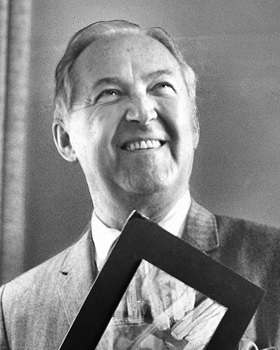
![[Willis_O'Brien.jpg]](https://blogger.googleusercontent.com/img/b/R29vZ2xl/AVvXsEj5R6ID5JXpDFNw8TZtxS9aSNGuWCcdVxUO02KGVwprfqqIC9a7eCmZWiRwyzhBFa4T55LDgNtwayqnave3ndwxrXVMH3P8PC4cNH-vrLLor5XN7-ih0yA80Lnylo1xfP8SHaRyDqRtCMAI/s1600/Willis_O'Brien.jpg)


Jack,
ReplyDeleteYou have made a good start here and I can see that you have researched different technologies and people in the field of animation. However, you do not have one single source / reference on this post which means it is all plagiarised - please get the information referenced ASAP.
Also, you are lacking examples in the last section and I would like to see more detail and pictures / videos here. Can you also italicise the film and TV text titles and add directors and year of release where relevant.
Ellie
Merit now achieved.
ReplyDelete