
 Music videos have been around a while, and we've seen them grow in magical ways and forms. We saw the first music video in 1975 and I'm sure Bohemian Rhapsody is a name that rings a bell; the video is considered one of the first to use advanced video effects - Jaws also came out in that year, so I'm not sure if advanced is the word to use.
The earliest example of a music video is in 1941 when a new inventions is discovered and used in bars and clubs; The Panoram Soundie is a nifty little thing that will play short clips of video along with the music.
It wasn't until 1956 when the wave of music-centered films were hitting the big screen, Rock around the clock, Shake, Rattle and Rock and so on. This shows that Music Videos as we know them today became very popular very quickly and they will only get bigger and more popular, allowing for people and companies to make a living off of creating them and also skyrocketing the music industry too.
It all went a little slower until then, we went through several TV shows based on music videos, we saw films that used music to further dramatise the action and people coming together to create music.
Then we hit 1975. The year that shaped and moulded the music industry and then went on to allow directors and artists to use music videos to their advantage.
Artists would begin using Music Videos to promote their images, how they act, how they look and more importantly their brand.
 Kiss is a perfect example of a band that really puts their image out there and displays who they are, be it through the way they act and/or dress.
Although kiss don't really have any "Music Videos" they do have live performances of the songs. In the videos, they is a lot of focus on the way they look, the makeup that they have is instantly recognisable and almost anyone can point it out.
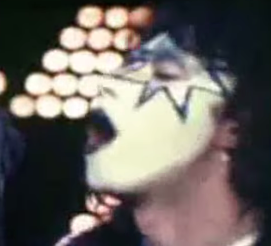
This screenshot from the music video above shows how bands use their style and sound to further promote their products. This close-up clearly shows the make-up that one of the band members is wearing, which tells us that this is their style and can be easily found based on that.

Their logo and name are clearly seen in the video also, KISS obviously knows their promotion techniques.
Michel Gondry is a name you might recognise.

Michel Gondry is known for his wacky techniques in his music video. Everlong by Foo Fighters has a pretty crazy video.
Directors are using the music video industry as a way to promote what they are capable of. Michel Gondry, for example, used music videos as an entry to the directing world and went on to direct a couple of films.
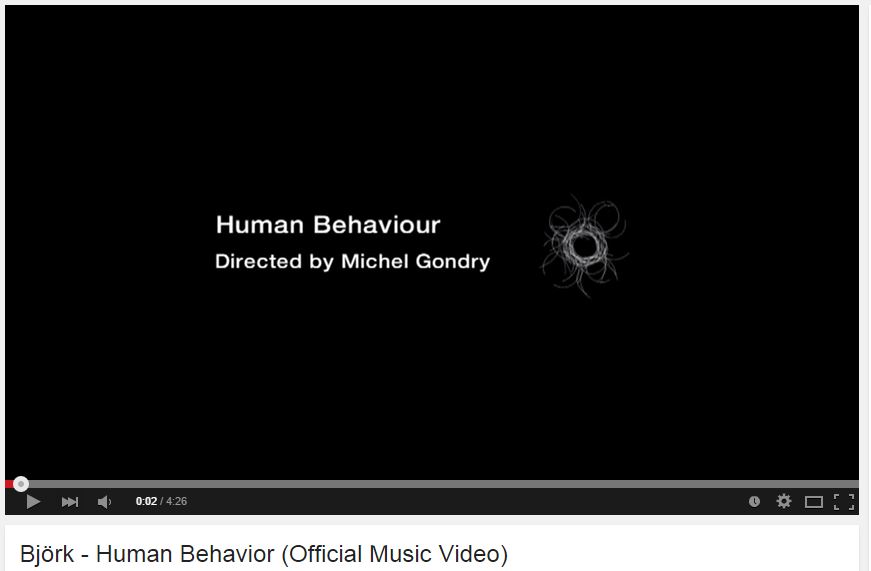 Directors are usually credited at the beginning on music videos via a lower third or a splash title at the start of the video
To further promote and artist or band, producers will often Polish the image of said artist/band and also include some common conventions in their music videos and promotion.
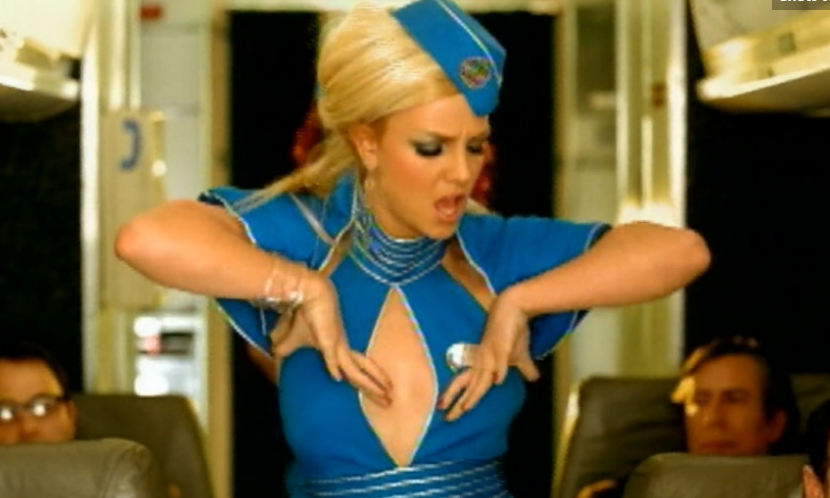 For instance, Popular artists of today will use a lot of sex appeal in their videos in order to gain attention and or popularity. Britney Spears (before she went a bit mental) used sex appeal in her video for Toxic as seen in the screenshot.
A lot of bands that perform live will also use pyrotechnics as a way of show themselves off. Cool effects will always attract attention.
Mainstream artists and their video's are pretty much ubiquitous at this point. You can find mainstream music videos on; Youtube, MTV, MTVhits, VEVO, ITunes and quite a few more.
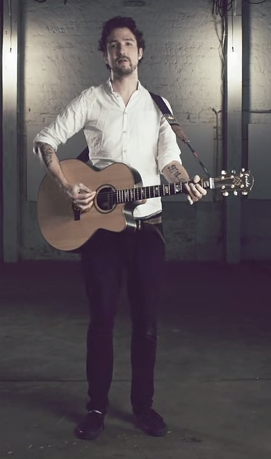
I know what you're thinking. "How do independent bands/artists get popular and have kick-ass music videos?" Great question. They also have platforms for those too, free ones! Infact YouTube is a great platform for upcoming artists, believe it or not, Justin Bieber began on YouTube and look where he is now! Kerrang, Artist Websites, VEVO and Social Networks are all free/cheap platforms that creators can put their content on and perhaps get lucky and noticed.
Seeing as independent artists don't have the cash to splash on a fancy video, they will turn to more classic conventions such as; playing their instruments on video, lip syncing, very cheap and quick effects.

Being on a tight budget also promotes the idea of originality, for instance, OK Go had the idea of doing a one take video and it took them ages and they were running out of time due to budget restrictions. Fortunately they managed to get it done and it kicked their career onwards and upwards.
Let's have a little look at the old pros and cons of being a self produced artist then.
Not only do you have to put more effort in to get a better result, you will also have to source your own equipment, and find some funding to get yourself off of the ground. You will also have to figure out some sort of location situation and make sure you have the right locations for the music video. And finally distribution can be difficult seeing as you can't mass produce CD's and sell them, you'll have to find a unique way to distribute, or just upload it to YouTube and hope for the best (have fun in 300 hours of content uploaded every MINUTE!)
That's all the bad stuff out of the way, now the good stuff. You have FULL CREATIVE CONTROL over the project, so it can be perfect providing you put time into it and make it your own, and YouTube is totally free, so distribution is covered. It might be hard, but as long as you keep at it, and working on it, it will get done and be amazing.
Intertextual music videos were a pretty big hit last year. In this style, we have many sub-styles. Synergy is when songs that were used in films will often promote their song more by using footage from the actual film.
Synergy is... "the interaction or cooperation of two or more organizations, substances, or other agents to produce a combined effect greater than the sum of their separate effects."
Basically, Synergy is when say, the team behind 'Despicable Me' teams up with 'Walls' to create a Minion ice cream. Not only does it encourage parents or children to purchase the Ice cream, it will also promote the image of the film and 'Minions'
Let It Go was performed by Idina Menzel and was used in the film Frozen. The music video for this song is all footage from the film and a classic example of synergy.
In conclusion, music videos will continue to grow and make a bit of money for anyone who gets into it!
A little bit more about mise-en-scene, it is absolutely crucial in music videos to really get the audience in the correct mindset for the video.
The song is generally about all the things wrong in the world. It references, Greek and biblical mythology, natural disasters and man-made disasters.
R.E.M's It's The End Of The World, is a very good video that uses mise-en-scene to it's advantage.
The song is obviously about the end of the world and you can clearly see that from the images below.

This is a picture of an abandoned house, quite clearly has been ravaged, and it's fits with the song.

This is a picture of a teenager looking around the house picking up and looking at the items splayed around.

Another picture of the destruction in the house.

Jack,
ReplyDeleteI'm not sure what I have just read - it is overly informal, it is incomplete and you haven't explained any of your examples. This is the last report you will write after two years of working to BTEC and our expectations so it is surprising to see a post like this at this point.
Take out anything informal, explain examples used and elaborate where needed, add synergy and also extension of income and outlets.
2 things to do:
ReplyDelete1. add a definition of synergy
2. add a definition of artistic / message videos and add an example
Ellie